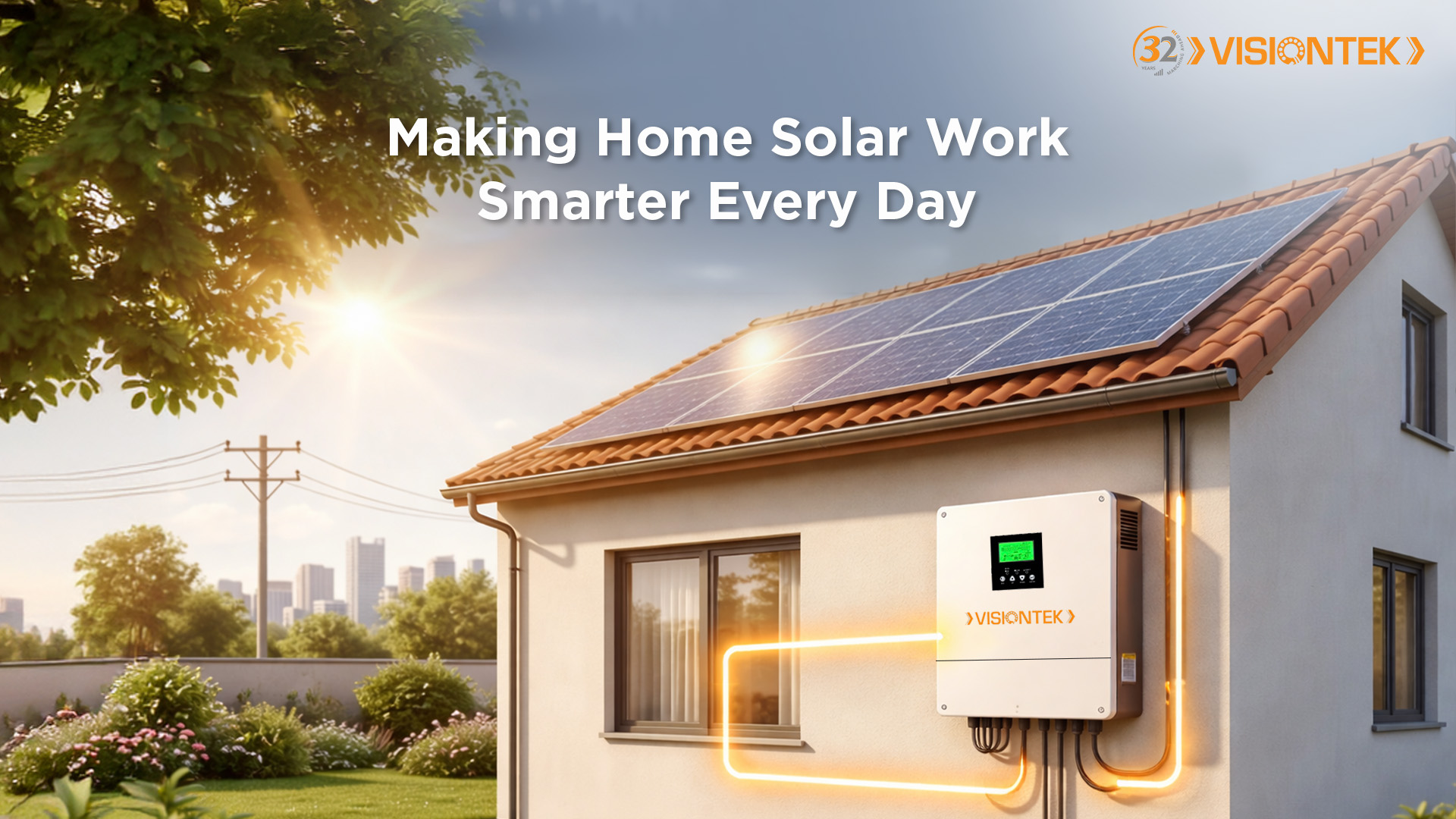
Making Home Solar Work Smarter Every Day
A home solar setup performs at its best when every unit of power is converted, managed and used well. That is where a good solar inverter for home makes a real difference. Solar panels generate power in a format that your home wiring does not run on. The inverter handles that gap and makes the energy usable across your appliances. It also keeps things balanced as sunlight changes through the day, so your power supply feels steady instead of erratic, while giving you a live view of how the system is actually performing.A solar panel inverter also adds intelligence to the entire setup. It does far more than power conversion. It helps the system stay efficient during peak sunlight hours, supports grid-connected performance in suitable setups and gives homeowners clearer visibility into how their solar energy is being used. That combination turns solar from a simple installation into a smarter household energy system. Where Energy Efficiency Improves Every Day Most of the gains happen in small steps across the day. Those small gains add up over months and years. Modern inverter systems are built to improve performance in practical ways. Higher usable output: A larger share of the electricity your panels produce actually reaches your home instead of getting lost along the way Steadier supply across the day: As sunlight shifts, the inverter keeps the flow consistent enough for regular usage without noticeable fluctuations Load tracking: Daily consumption data gives homeowners a clearer picture of when power use rises Grid-ready control: Features such as export limit support and anti-islanding contribute to smoother connected operation in compatible systems Protection-led efficiency: Surge protection and environmental protection features help the system stay reliable through changing conditions What A Modern Inverter Helps Manage A well-designed inverter supports efficiency through control and visibility. This shows up through a mix of monitoring, connectivity and protection features suited to residential solar applications. LCD display for quick status checks App and web-based monitoring for daily review Remote settings and smart access for easier control Communication options such as WiFi, LAN, GPRS and RS485 Integrated protection features for grid and system stability 24-hour load consumption monitoring for sharper usage decisions Choosing The Right Capacity Matters Too Efficiency also comes down to how well the system matches your home. A smaller household with basic daytime usage will need a very different setup compared to a property running multiple heavy appliances through the day. For many mid-sized homes, a 5kw hybrid solar inverter fits well into the overall setup. It lets you run on solar during the day, hold some energy in reserve when needed and handle backup in a more controlled way. The result is a system that feels more reliable across different usage patterns. The overall benefit shows up in how consistently your home is powered, not just how much energy is produced. What To Compare Before Buying Anyone looking for the best solar inverter in India should compare more than the capacity number on the brochure. A stronger decision comes from evaluating how the inverter will perform in real household conditions. Efficiency rating Higher conversion efficiency helps more solar energy reach actual home use Monitoring support Clear visibility into load consumption and generation makes smarter usage easier Protection features Dust protection, moisture resistance, surge protection and grid safety features support long-term performance Compatibility The inverter should fit the panel capacity, home load profile and future expansion plans Service and support Easy access to support, documentation and monitoring tools adds everyday confidence In simple terms, the inverter plays a big role in how well a home solar system performs after installation day. It helps convert power efficiently, manage usage intelligently and keep the system responsive through changing conditions. For homeowners evaluating options from Visiontek, those practical advantages matter because efficiency at home comes from daily control as much as generation on the roof. FAQs How does monitoring improve energy efficiency? Monitoring shows generation and consumption patterns clearly, which helps homeowners use appliances more strategically during stronger solar production hours. Why does inverter sizing matter? A correctly sized inverter supports better system balance, smoother performance and more effective use of available solar energy based on household demand. What affects the solar inverter price? Capacity, inverter type, monitoring features, protection features, installation scope and after-sales support usually shape the final cost. Are hybrid inverters useful for homes? They work well in setups where managing solar use, stored energy and backup becomes important. This makes them a practical choice for homes that want more control over how power is used through the day.
Understanding Solar Inverters: On-Grid, Off-Grid and Hybrid Systems
Quick Overview Solar power systems depend on inverters to handle energy conversion and distribution effectively. Solar inverters on & off grid help manage power flow in different situations. Grid-tied solar inverter units support bill reduction through grid interaction in areas with a stable supply. Off-grid solar inverters deliver standalone operation in remote spots. Hybrid solar inverter solutions provide backup along with grid connectivity. Visiontek stands out in solar inverters with practical designs suited to varied Indian conditions. Specification Table Of Contents What Is A Solar Inverter Features of Grid-Tie Solar Inverter How Off-Grid Solar Inverters Work Advantages Of Hybrid Solar Inverter Comparison Between Solar Inverters On & Off-Grid Options Spotlight On Visiontek In Solar Inverters Conclusion What Is A Solar Inverte A solar inverter acts as the main control unit in solar power installations. It transforms electricity from panels and directs flow between panels, batteries, and the grid connection when present. The device makes sure power reaches standard appliances safely and supports smooth system performance. Quality solar inverters improve energy utilisation and contribute to reliable daily operation. Features of Grid-Tie Solar Inverter Grid-tie solar inverter units link directly to the utility network. They align solar production with grid electricity and allow surplus energy to flow back for net metering benefits. These inverters keep setups simpler by reducing the need for extensive battery storage. Installation stays straightforward and matches well with urban or semi-urban locations that enjoy consistent grid access. Users gain from lower electricity costs as the system operates automatically when sunlight is available. Grid-tie solar inverter models include safety mechanisms that halt operation during grid outages to protect line workers. This results in no power supply to the premises when the grid is down. Such inverters suit environments where power cuts occur infrequently, and savings remain the primary aim. How Off-Grid Solar Inverters Work Off-grid solar inverters work independently without any connection to the main grid. They take power straight from solar panels and use batteries to store extra energy for use when the sun is not shining. The solar panels first produce direct current electricity from sunlight. A charge controller then safely directs this power to the battery bank to keep it charged properly. When electricity is needed in the home, the off-grid solar inverters pull energy from the batteries and change it into alternating current that household appliances can use. This conversion happens smoothly inside the inverter, so lights, fans and other devices run without any problem. During sunny hours, any extra power goes into the batteries for later use. At night or on cloudy days, the stored battery power keeps the supply going without interruption. Off-grid solar inverters include safety features to protect the system from overload or low battery conditions. The complete setup gives full control over power generation and use, making it perfect for places far away from grid lines. Advantages Of Hybrid Solar Inverter Hybrid solar inverter solutions merge the capabilities of grid-connected and standalone systems into one device. They maintain a grid connection for routine use, export surplus power when advantageous, and shift to battery support automatically in case of outages. Users store excess solar generation or feed it to the grid according to prevailing rates and needs. The arrangement enhances self-consumption and ensures critical loads continue without interruption during supply failures. Many units come with monitoring tools that display live information on generation usage and battery levels via apps or screens. Hybrid solar inverter models offer versatile operation and adapt to changing conditions throughout the day. They support efficient routing of energy across available sources for improved overall results. Comparison Between Solar Inverters On & Off-Grid Options Cost Grid-tie solar inverter options usually involve a lower initial investment. Standalone systems add expense through battery requirements. Hybrid solar inverter solutions carry higher costs due to combined features and intelligent controls. Efficiency Grid-connected setups deliver strong performance with steady grid availability. Standalone results depend heavily on battery quality and maintenance. Hybrid solar inverter units balance efficiency by managing power intelligently between sources. Installation Grid-tie solar inverter models need minimal additional components and basic wiring. Standalone and hybrid units require battery linkages, which increase setup effort and attention to detail. Expert installation supports safe and optimal functioning in all configurations. Use Cases Grid-tie solar inverter choices fit locations with reliable utility access. Standalone inverters serve isolated areas without grid presence. Hybrid solar inverter options appeal where both cost savings and supply security matter. Visiontek develops solar inverters tailored for Indian voltage fluctuations and climate variations. Their range includes surge protection, wide input tolerance and compatibility with common single-phase or three-phase connections. Spotlight On Visiontek In Solar Inverter Visiontek delivers revolutionary solar inverters with cutting-edge technology and unmatched performance backed by a 30-year legacy. The lineup in solar inverters covers grid tie solar inverter off grid solar inverters, and hybrid solar inverter models crafted to address diverse energy demands across India. Products emphasise robust build, efficient working and user-friendly operation. Key elements include durable enclosures, advanced monitoring capabilities and effective battery handling where required. Visiontek solar inverters manage everyday challenges like voltage swings and elevated temperatures while providing steady output. The brand focuses on long-lasting reliability and seamless pairing with different solar panels and battery systems found in the market. Conclusion Solar inverters on & off-grid selections shape how effectively a solar system supplies power and creates value over the years of service. Grid-tie solar inverter models support bill savings via grid links and net metering. Off-grid solar inverters enable full independence from utility networks. Hybrid solar inverter solutions balance both with added backup and export flexibility. Location, energy usage habits and budget guide the appropriate pick. Visiontek provides dependable solar inverters with contemporary features designed for Indian homes and small businesses. Solid awareness of the available types helps create a solar arrangement that fits particular needs and ensures a consistent energy supply moving forward. FAQs What sets grid-tie solar inverters apart from off-grid solar inverters? Grid-tie solar inverters connect to the utility network
How a Single-Phase Solar Inverter Works for Everyday Home Use
Why Choose a Single-Phase Inverter in 2026 Rooftop solar has grown at a remarkable pace over the past few years, and a single-phase solar inverter sits right at the centre of it all. It takes direct current from the panels and turns it into alternating current. Lights come on. Fans spin. The fridge keeps running. Ordinary life turned extraordinary with the right power. The efficiency figures deserve a proper look. 98 per cent or higher, meaning almost all of that captured sunlight becomes genuinely useful power. Built-in apps push live output data straight to a phone, so performance stays visible and accessible throughout the day. Heat management has improved considerably too, keeping units steady and reliable through long summer afternoons when demand is at its peak. Worth pausing on that last point. A 1-phase inverter handles standard residential wiring with ease, fits most roof setups and comes together quickly for trained installation teams. The monitoring alone changes how households relate to their energy use. Checking solar output becomes something people actually enjoy, because the information is clear, immediate and genuinely satisfying to watch. Simple technology. Real results. Single-Phase Inverters for Smooth Everyday Power Homes need inverters that manage everyday loads smoothly. Units rated from 3kW to 5kW handle typical family needs such as lights, air conditioners, and refrigerators, with room to spare. Good models connect to the grid fast and hold voltage steady when sunlight varies. Many now leave space for future upgrades, while others focus purely on grid-tie work. The main goal remains steady with daytime supply, with very little interruption throughout the seasons. Good models lock onto the grid quickly and keep voltage stable when clouds pass over. Many options now include room for later upgrades. Some stay pure grid-tie while others add hybrid readiness. The focus stays on steady daytime output and minimal downtime across seasons. Types of Single-Phase Inverters Due to their reliance on the current supply, grid-tie systems predominate in residential solar. At night, single-phase on-grid inverters draw from the utility and send excess power outward. They suit areas with steady electricity access. Hybrid units open the door to batteries for evening use or outages. Pure off-grid inverters need large storage banks and work best far from towns. Most families pick on-grid setups for lower upfront cost and simpler wiring. A 5KW single phase solar inverter handles heavier loads comfortably. It powers multiple rooms during bright hours and reduces grid draw significantly. How to Choose the Best Single-Phase Inverter in 2026 Begin with monthly electricity bills to estimate the required capacity. Add up appliance ratings, then allow some headroom for future needs. Check that the inverter works across a wide temperature range and pairs with common panel types. Look for clear displays, WiFi links and quiet fans. Strong local support matters when service calls arise. A single-phase hybrid inverter makes sense if storage sits on the wishlist. Always confirm the model meets the area grid rules for safe connection. Prices shift with size and extras. Basic 3kW on-grid units stay within reach for starter systems. Hybrid versions cost more because of added circuits. Installation remains straightforward for trained teams, and incentives can trim the final amount. Over time, bill savings repay the investment within a few years for active households. Conclusion A solid single-phase inverter brings noticeable relief to power bills in 2026. These units balance cost efficiency and modern touches such as app access and quiet fans. Homes gain steady daytime energy and a smaller carbon footprint without heavy upfront spending. Brands build trust through consistent performance and service reach. Visiontek’s line of Single Phase Grid-Tie Inverters (V01G03K0, V01G05K0, V01G03K3, and V01G05K2) is geared toward residential applications. Visiontek units come with eight to ten years of warranty. The H6 Transformerless Topology reduces losses and enhances power conversion. An Advanced Aluminium Heat Sink spreads heat evenly for steady running. Higher temperature efficiency lets the units operate from minus twenty-five degrees to plus sixty degrees Celsius. A Graphical LCD Display shows live data and system health at a glance. The Smart Cooling System stays under twenty-five decibels, so noise stays minimal. Remote checks arrive through WiFi, GPRS or RS485 links. Check Visiontek’s range to find the right fit and start turning sunlight into savings with confidence. Frequently Asked Questions. Are single-phase inverters good for home use? Yes, they match standard house wiring and deliver clean power without major changes to the electrical board. What size single-phase inverter do I need? Three to five kilowatts works for most families. A 5KW single phase solar inverter manages typical cooling, lighting and appliance demands comfortably. What is the lifespan of a single-phase inverter? Well-built models run ten to fifteen years when kept clean and ventilated properly. How does remote monitoring help with a single-phase solar inverter? Phone alerts and daily reports show output trends and flag any drop in performance early.
A Practical Guide To Choosing The Right Single-Phase Solar Inverter
Solar panels generate power in one form. Your home runs on another. The inverter handles that change so your appliances can run on solar. It also adjusts output through the day as sunlight changes. This keeps the power supply stable and helps you track how much energy the system is producing. Choosing the right unit matters because of this. A good match makes daily usage smoother and keeps the system easier to manage over time. For most residential setups, a solar single phase inverter fits naturally into that requirement. A Natural Match For Residential Rooftops Single-phase systems suit a large share of homes because residential connections usually operate on single-phase supply. This makes selection and integration more straightforward during planning and installation. Visiontek’s single-phase range runs from 2.2 kW to 6 kW. That covers most home setups. For a typical mid-sized home, a 6KW single phase solar inverter is usually enough for daily use. It supports regular usage and allows some room for higher consumption if needed. That balance becomes useful when energy usage increases slightly over time. What Makes It Useful Every Day A good inverter adds value in ways that homeowners feel quickly. The benefits usually show up in three areas: Better conversion of solar energy into usable household power Smoother response when sunlight intensity shifts across the day Easier monitoring through display, app or portal access This matters because solar works best when generation and usage stay closely aligned. An inverter acts like the system’s control centre, helping manage that relationship with more precision. Features That Support Better Performance When comparing products, it helps to look beyond the headline wattage and examine the working features that shape long-term usability. Core Features To Look For High conversion efficiency for stronger energy utilisation Smart monitoring for quick access to performance data Communication options that support connected system management Protective functions for safer operation in varying grid conditions Rugged construction suited to rooftop environments VisionTek highlights features such as a large LCD display, remote settings through app and web portal, Wi-Fi and other communication options, IP65 protection and anti-islanding support. Together, these make a single phase grid tie inverter more appealing for households that value both visibility and reliability. Understanding Value Beyond The Upfront Cost Price always enters the conversation, yet purchase value comes from a broader view. The single phase solar inverter price should be considered alongside efficiency, service support, ease of monitoring and suitability for the home’s expected load. A lower entry cost may feel attractive during the first conversation. A stronger fit often creates better value over the years through smoother operation, more useful monitoring and stronger alignment with the rooftop system. For many buyers, that is where the real return begins. How To Choose The Right One Selection becomes simpler when homeowners use a practical checklist. A Simple Selection Framework System Size Match the inverter to the solar array and the home’s energy pattern. Usage Pattern Consider daytime consumption, appliance mix and seasonal changes in demand. Monitoring Preference Many homeowners appreciate app-based visibility because it keeps performance easy to track. Protection Features Look for surge protection, environmental sealing and stable grid support. Future Readiness Choose a capacity and feature set that support the next stage of household energy use. A homeowner searching for the best single phase solar inverter usually benefits most from this kind of grounded comparison rather than a quick spec-sheet scan. Why It Makes Sense For Modern Homes A modern home depends on steady access to electricity across multiple devices and routines. Solar can cut down how much power you take from the grid. The inverter is what keeps the supply steady during the day. When the system is set up well, the experience feels simple. Power flows where it is needed, performance stays visible and the setup responds without constant intervention. That is where the right inverter choice starts to show its value. If you are setting up a system or replacing an older one, Visiontek’s single-phase range is built for regular home use and easy handling. FAQ What Does A Single-Phase Solar Inverter Do? It changes the electricity from solar panels into power your home can use. Who Should Choose A Single-Phase Inverter? Homes with single-phase electrical connections and typical residential energy needs usually find this type well suited to their setup. Why Is Monitoring Important In A Solar System? Monitoring helps homeowners track generation, usage trends and overall system health through the day. How Does Capacity Selection Work? It depends on how much power your system produces and how much your home uses during the day.