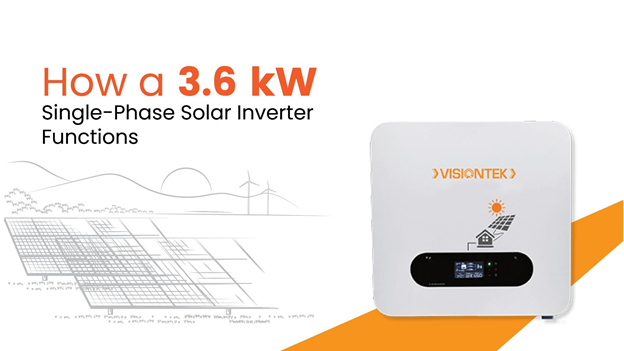
How a 3.6 kW Single-Phase Solar Inverter Functions
If your house runs on regular single-phase power, a 3.6KW single phase solar inverter is usually the size most people start with. It’s not too big, not too small. Good for flats, smaller homes, and shops that don’t need three-phase. So what does it really do? In simple terms, it takes power from your panels and turns it into something you can use at home. The Basic Process A 3.6kw single phase inverter works in the background. You don’t notice it, but here’s what’s happening. First: Converting power Panels make DC. Your home needs AC. The solar inverter 3.6kw single phase converts it. That’s the main job. Second: Deciding where power comes from It checks your home’s load. Uses solar first. If there’s not enough sun, it either pulls from the grid or from batteries, depending on what kind of system you’ve set up. Third: Handling extra On-grid systems send extra back to the grid. Hybrid systems store it in batteries. Off-grid systems just keep it saved for later. That’s it. The rest is about features and how well it manages all of that. The Three Main Types On-Grid This one works only when the grid is on. It cuts your bill during the day. Power goes, and it goes off too. Hybrid This is what most people pick now. A single phase solar inverter 3.6 kw hybrid uses solar first, then battery, then grid. You get backup and savings. Off-Grid No grid needed. Runs on solar and battery. Used where the grid isn’t dependable. What’s Inside the Setup Panels They catch sunlight and make DC. The inverter needs to match with them. Inverter The main unit. It converts, manages, and protects. A 3.6KW single phase solar inverter also handles safety cut-offs. Battery Only for hybrid and off-grid. Stores power for night or outages. App Monitoring Most new units let you check everything on your phone. Generation, usage, faults. Where This Size Makes Sense This works well for: – Apartments and smaller homes – Shops and clinics on single-phase – Homes that want to cover basic appliances and bring the bill down A 3.6kw single phase inverter will handle your daily essentials. Fridge, lights, fans, TV. If you plan to run multiple heavy appliances together, you’d need to check with an installer first. What to Look at Before You Buy Panel Match Make sure your panel setup fits the inverter’s input. If your roof has shade in parts, ask about MPPT options. Backup or No Backup Need power during cuts? Go hybrid. Don’t need it? On-grid is fine. Protections Overload and voltage protection should be there. Saves your appliances. Service This matters more than people think. Visiontek is one brand people look at because service is usually available locally. Their solar inverter 3.6kw single phase range covers both on-grid and hybrid. A Few Installation Notes Put it in a cool, shaded spot. Keep wiring neat and not too long. Use proper earthing and surge protection. And get a proper technician to install it. Not a DIY job. Things People Get Wrong Picking only by price. Not thinking about future needs. Skipping monitoring. You should know if the system is working. Wrapping Up A single phase solar inverter 3.6 kw is a practical pick for single-phase homes. Simple, reliable, and it does what it’s supposed to. On-grid if power is stable. Hybrid if you want backup too. Visiontek has options worth checking, mainly because support is easier to find. Talk to an installer, see what fits your roof and usage, and go from there. Set it up right and you’ll barely think about it after that. Frequently Asked Questions What all can a 3.6kW inverter run at home? A 3.6kw single phase inverter can take care of regular home loads like lights, fans, fridge, and TV. For anything heavy, get a quick load check done. Is a battery necessary? Only with hybrid or off-grid. If you choose an on-grid solar inverter 3.6kw single phase, you don’t need batteries. Can I expand later? Usually yes. Most 3.6KW single phase solar inverter models allow some extra panels. Check with your installer before buying. Why go with Visiontek? Visiontek offers reliable single phase solar inverter 3.6 kw units and service is generally accessible. For something that runs for years, that support makes a difference.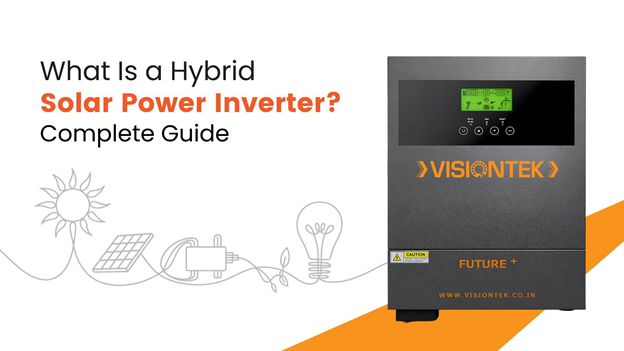
What Is a Hybrid Solar Power Inverter? Complete Guide
India’s energy scene shifts at pace. Higher electricity tariffs, regular outages and growing use of renewables push demand for better power control. The hybrid solar inverter answers this need. It combines the roles of a solar inverter, battery inverter and grid manager in one unit. This device suits homes seeking steady supply, commercial sites aiming for lower costs and industrial plants needing reliable backup. The guide below covers its meaning, operation, advantages, uses and key purchase points. Hybrid Inverter: Definition and Core Idea A hybrid solar power inverter handles three energy sources at once: solar panels, battery storage and the utility grid. A basic solar inverter turns DC from panels into AC for loads. The hybrid version adds smart control. It chooses the best source in real time based on solar output, battery level, grid status and demand. The unit acts as the central point for the whole energy setup. It tracks generation, storage and use, then routes power for efficiency and savings. How a Hybrid Solar Inverter Works Daytime solar panels produce DC power. The hybrid PV inverter converts this to AC for immediate use and sends spare energy to charge the battery bank. When solar output drops below demand in evenings or cloudy periods, the battery supplies the shortfall. Continuous supply follows. If solar and battery fall short, the inverter draws from the grid. Systems set for export send surplus solar power back to the grid and cut bills through net metering. Grid failure triggers an automatic switch to solar and battery power within milliseconds. Sensitive loads such as computers, medical gear and machinery continue running. Advanced models also manage load priority, follow time-of-use tariffs and allow remote checks through apps or building systems. Benefits of the Hybrid Solar Inverter The rise of the hybrid solar inverter matches real energy pressures. Main gains include continuous power from the combined solar, battery and grid setup that keeps operations steady through outages. Self-use of solar energy and lower peak-grid draw reduce electricity costs by 40–70 per cent based on system size and patterns. A well-matched system delivers high independence from the grid for long stretches of the year. One unit replaces separate solar inverter, charger and transfer switch parts. Installation stays simpler, and upkeep points drop. Most models allow battery expansion and parallel connection for higher capacity as needs grow. Net-metering support lets surplus power return to distribution companies and generate credits. Lower reliance on diesel generators and fossil grid power shrinks the carbon footprint. Built-in Wi-Fi or Modbus links enable live monitoring through apps and links to SCADA or BMS platforms. Types of Hybrid Inverters Choice depends on load type, preferred battery chemistry and export goals. An on-grid hybrid solar power inverter works with the grid and battery storage. It supports export and maximizes self-consumption. Urban and semi-urban net-metering sites suit this type. An off-grid version runs free of the grid. Remote sites, farms and telecom towers pair it with large battery banks for full overnight cover. A multi-mode unit shifts between on-grid, off-grid and backup modes as conditions change. This design supplies flexibility for industrial and commercial applications. A three-phase hybrid PV inverter serves factories, large commercial buildings and plants that require balanced three-phase output at higher ratings. Applications Across Homes, Business and Industry Residential sites such as apartments and villas pair rooftop panels with lithium or lead-acid batteries for cost savings and outage protection. Offices, shops, hotels and hospitals lower demand charges, maintain smooth operations and reduce peak-hour use. Schools and colleges lower bills while powering computers, projectors and labs with continuous supply. Manufacturing plants in food, pharma and textiles keep production steady through supply gaps. Data centres and IT setups gain zero-downtime power that often replaces older UPS units. Telecom towers in remote spots manage panels and batteries through solar and storage alone. Farms and cold stores power irrigation pumps and storage with solar-hybrid systems and lower diesel generator expenses. Buying Guide: Key Points and PV Inverter Price Factors Select capacity to match peak load plus future growth. Check battery compatibility for lithium or lead-acid chemistry. Confirm grid-export approval and net-metering readiness. Look for remote monitoring, parallel expandability and solid warranty coverage. PV inverter price varies with power rating, battery support, efficiency class and brand features. Higher-capacity three-phase units and models with advanced communication carry higher costs. Compare efficiency ratings above 97 percent and after-sales support networks. Brands such as Visiontek offer models that balance performance, expandability, and service reach for home and industrial use. Match the unit to site load, sunlight hours and expected battery size for strong long-term value. FAQs What makes a hybrid solar inverter different from a standard solar inverter? A hybrid solar inverter manages solar, battery, and grid together with real-time source selection. How does a hybrid PV inverter handle power cuts? It switches to battery and solar supply in milliseconds so loads continue running. What factors affect PV inverter price? Capacity, efficiency, battery type support, communication features and brand service network set the cost range. Can a hybrid solar power inverter work with net metering? Yes, models approved for export feed surplus power to the grid and earn credits under local rules.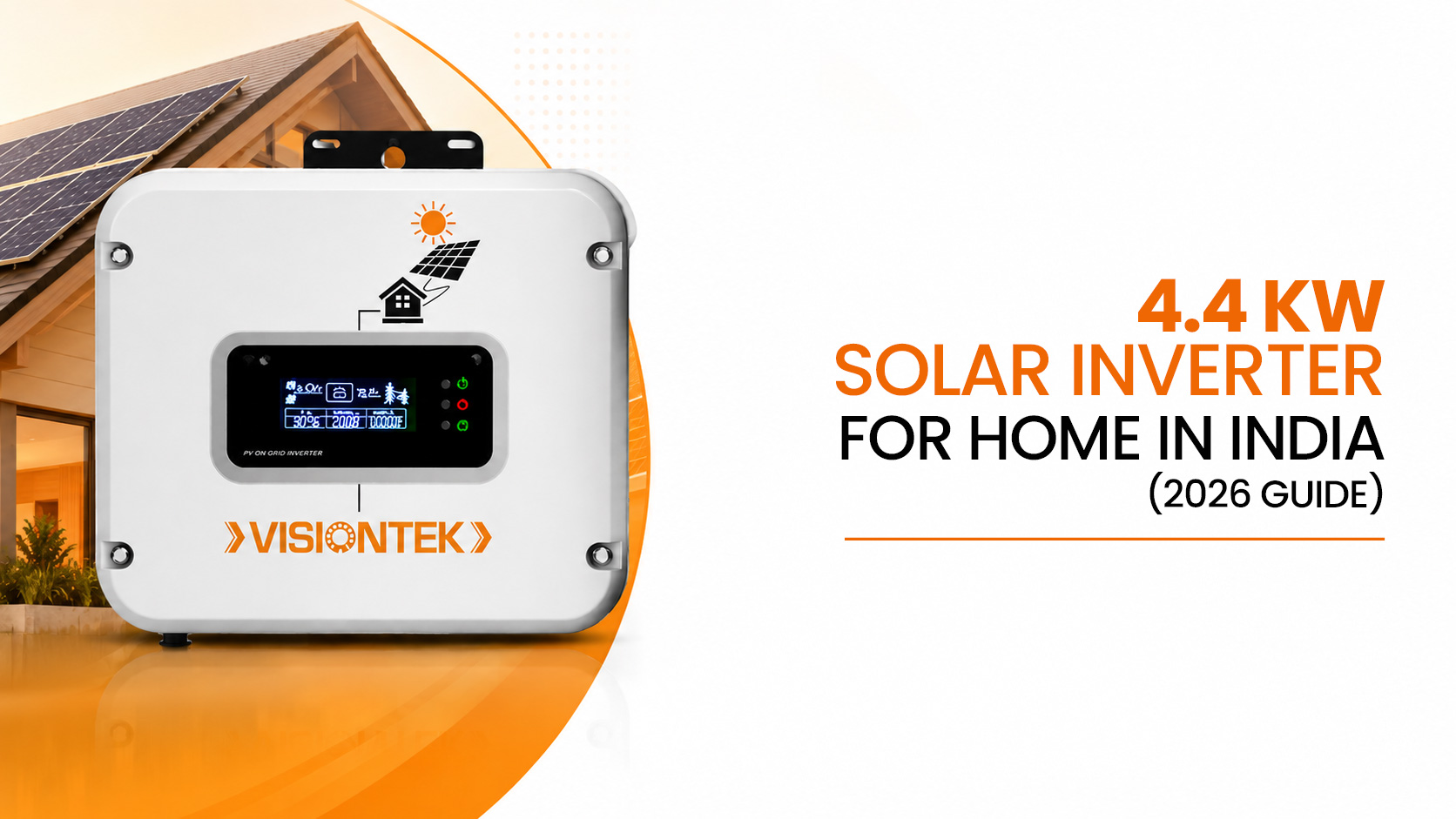
4.4kW Solar Inverter for Home in India (2026 Guide)
A neighbour in my building got solar installed recently. Nothing dramatic behind it — just electricity bills creeping up every month and a few too many power cuts during work hours. The final straw was his inverter shutting down in the middle of a call. After that, he stopped treating solar like a future idea and started looking at it seriously. Funny thing is, almost every installer he spoke to landed on the same recommendation: a 4.4kW solar inverter. At first he thought it was just a default answer. Later, it started making sense. Why this size keeps coming up Most homes don’t really need anything extreme. They just need something that keeps things running normally. A 4.4kW solar inverter for home usually covers the basics without stress — lights, fans, fridge, TV, Wi-Fi, charging, all the regular stuff that runs every day anyway. A washing machine can work too, though not always at the same time as heavier loads. Air conditioners are a bit situational. Some homes manage a few hours, others avoid it during peak usage. It really depends on how the system is balanced. So it’s not about “how much power it produces” in theory — it’s more about whether daily life feels normal when it runs. Where people misjudge things Most first-time buyers get stuck comparing solar panels. Brands, efficiency numbers, warranties — all of that. But the real system behaves very differently once installed. The solar power inverter for home is what actually decides how stable everything feels. If that part is weak or poorly matched, the setup can feel inconsistent even if the panels are good on paper. People usually only realize this after a few weeks of usage, not before installation. On-grid vs hybrid (without overthinking it) This part sounds technical but isn’t, really. An on-grid solar inverter works along with the electricity grid. During the day, solar takes priority, and extra power may go back to the grid depending on the setup. It’s usually picked when power cuts are not a big concern and the goal is saving on bills. A hybrid solar inverter adds a battery into the system. So when the electricity goes off, basic things like lights, fans, Wi-Fi, and charging still keep going. It costs more, but it removes that “sudden blackout disruption” feeling. So it’s basically a choice between lower cost or more comfort during outages. Why Visiontek keeps coming up When you start comparing solar systems, everything begins to sound similar after a while. Specs blur together. Numbers stop feeling meaningful. At that point, people start asking a simpler question: what actually works without issues after installation? That’s where Visiontek solar systems often enter the conversation. Not because of hype, but because homeowners tend to prefer systems that don’t demand attention once installed. Most people don’t want to “manage” solar. They just want it to quietly do its job. Final thoughts A 4.4kW residential solar inverter ends up being a practical middle option for a lot of Indian households. It’s enough for daily life without pushing the cost too high. Some go with an on-grid solar inverter mainly to cut monthly bills. Others choose a hybrid solar inverter because power backup for home has become more important than it used to be. In the end, it’s not really a technical debate for most people. It’s just about avoiding interruptions and keeping daily life smooth. That’s usually the real goal. FAQs Is a 4.4kW solar inverter enough for home use? Yes, for most medium households. A 4.4kW solar inverter for home covers daily appliances comfortably. What can it run easily? Fans, lights, fridge, TV, Wi-Fi, laptops, and normal charging needs. A washing machine also works depending on load. What’s the real difference between on-grid and hybrid systems? An on-grid solar inverter focuses on bill savings using the grid. A hybrid solar inverter adds battery backup for power cuts. Is hybrid worth it? Yes if outages are frequent. It keeps essential appliances running when the grid goes down. Why do people mention Visiontek? Because Visiontek solar systems are often associated with stable, low-maintenance operation after installation.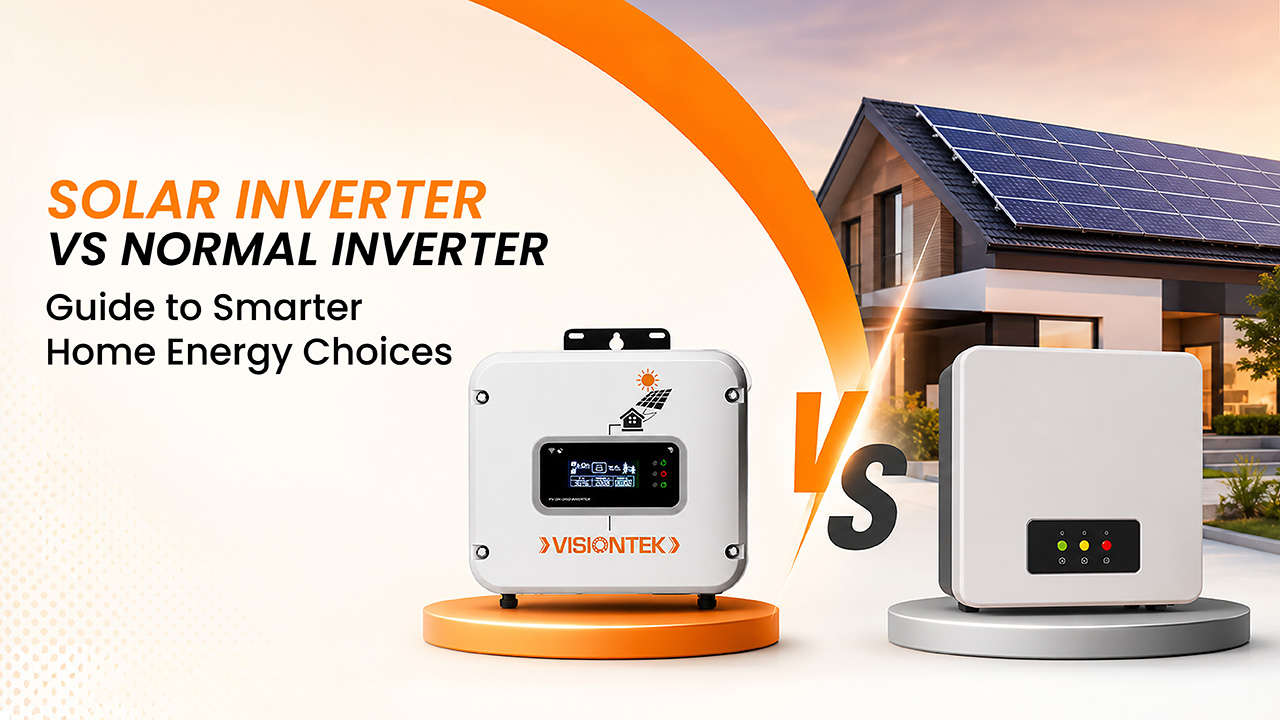
Solar Inverter vs Normal Inverter: A Practical Guide to Smarter Home Energy
Two paths with one goal to offer reliable power at home. Choosing the right backup solution shapes monthly electricity costs, resilience during power cuts, and long-term environmental impact. Solar inverters, part of a wider Solar Power System, sit on one side. Normal inverters, running on grid-charged batteries, sit on the other. Both keep appliances running. Each follows a different path to sourcing and managing power. This Solar Inverter vs Normal Inverter comparison sets out the key differences clearly. How a Solar Power System Generates Electricity Sunlight in, electricity out. A Solar Power System pairs photovoltaic panels with an inverter to make that conversion possible for everyday home use. The process breaks down into a few clear stages: Solar panels capture sunlight and generate direct current (DC) electricity. The inverter converts that DC power into alternating current (AC), the form used by household appliances. Charge controllers manage the flow of energy, protecting the battery bank from overcharging. Two common types exist. MPPT (Maximum Power Point Tracking) controllers improve efficiency by continuously optimising the power drawn from the panels. PWM (Pulse Width Modulation) controllers offer a simpler, more budget-friendly alternative, with steady, dependable performance. Surplus energy gets stored in batteries, ready for use after sunset or on cloudy days. A cycle forms. Panels generate power throughout daylight hours, the inverter processes it as needed, and any extra energy is banked for later use. Key Differences Between Solar and Normal Inverters Same job, different methods. The two technologies diverge across several practical dimensions. Energy source. Solar inverters run on power from solar panels, a renewable source. Normal inverters rely on batteries charged through the grid. Primary role. Solar inverters focus on everyday power generation and lower bills. Normal inverters focus mainly on emergency backup during outages. Installation. Solar systems involve panel setup and dedicated wiring. This takes time and planning. Normal inverters are simpler to install, closer to plug-and-use. Space. Solar panels need roof or open outdoor space to perform well. Normal inverters fit into a small indoor spot. Cost. Solar systems carry a higher upfront investment, offset over time through lower electricity bills. Normal inverters cost less to start. Environmental impact. Solar inverters reduce carbon footprint and grid reliance. Normal inverters remain tied to the existing grid supply. Weather. Solar inverter output shifts with the amount of available sunlight. Normal inverters perform consistently across all conditions. One generates. One backs up. That distinction, more than any other, defines the choice between the two. Financial and Environmental Benefits of Solar Inverters Sunlight is free. That simple fact drives most of the appeal behind solar inverters, and the case for choosing one rests on three main points. Lower electricity bills. Daytime power comes directly from sunlight rather than the grid, leading to meaningful savings over time. A smaller carbon footprint. Consistent use of a Solar Power System lowers reliance on fossil-fuel-generated grid electricity. Greater energy independence. During grid disruptions, a well-sized solar system with battery storage keeps essential appliances running. Placement matters. These benefits grow stronger with a quality solar panel installation, since panel positioning and wiring directly affect how much energy the system captures and how efficiently that energy gets used. The Case for Normal Inverters Simplicity has its own value. Normal inverters remain a strong choice for households favouring straightforward setup and immediate reliability. Fast response. Normal inverters switch on almost instantly when grid power fails, keeping essential appliances powered through the interruption. Simple installation and maintenance. A straightforward setup, free of panels, roof work or weather-dependent output. Consistent performance. Cloud cover and shorter winter days leave output unaffected. Small footprint. An easy fit indoors, well suited to homes with limited roof or outdoor space. Backup, plain and simple. For households mainly seeking dependable power during outages, rather than a long-term generation strategy, a normal inverter often proves the more practical and cost-effective pick. Choosing the Best Solar Inverter for Home Use The decision starts with numbers. Daily energy consumption and peak demand periods indicate the capacity required, and a few other factors shape the final choice. Energy consumption patterns. Daily usage and peak demand periods indicate the capacity required. Compatibility. Voltage and current ratings should align with the existing electrical setup, alongside relevant industry certifications. Budget, including long-term costs. Solar systems carry higher upfront costs, including panels and installation, though savings tend to build over time. Normal inverters cost less initially, with bills remaining unchanged. Available space. A solar panel installation requires adequate roof or open space. A normal inverter fits into a small indoor spot. Installation quality. Professional installation matters for either option. Correct wiring, safe component placement and optimal panel positioning all shape performance and safety. Maintaining Efficiency and Performance Small habits, lasting results. Regular upkeep keeps either system performing at its best. Seasonal inspections catch minor issues early. Cleaning solar panels periodically clears dust buildup and supports steady output. Good ventilation around inverter units guards against overheating. Monitoring tools track output and highlight when adjustments are due. Final Thoughts Priorities decide the outcome. Long-term savings, sustainability and energy independence favour a Solar Power System, backed by quality solar panel installation, as a strong long-term investment. Fast, reliable backup with minimal setup favours a normal inverter, offering dependable performance at a lower starting cost. Reputation counts too. Brands such as Visiontek offer inverter solutions suited to both standalone backup setups and broader Solar Power System configurations, making these options worth a look during the evaluation process. Frequently Asked Questions What is the main difference between a solar inverter and a normal inverter? A solar inverter draws energy from solar panels, while a normal inverter relies on batteries charged through the electrical grid. How does solar panel installation affect system performance? Installation quality shapes system capacity and alignment with available sunlight. Professional installation supports maximum energy output and long-term reliability. Which efficiency ratings matter most when evaluating a Solar Power System? Real-world figures tell the fuller story. Weighted efficiency ratings reflect real-world performance rather than ideal lab conditions, making